Austrian Wines…a quick glance at an old wine culture (Part 1)
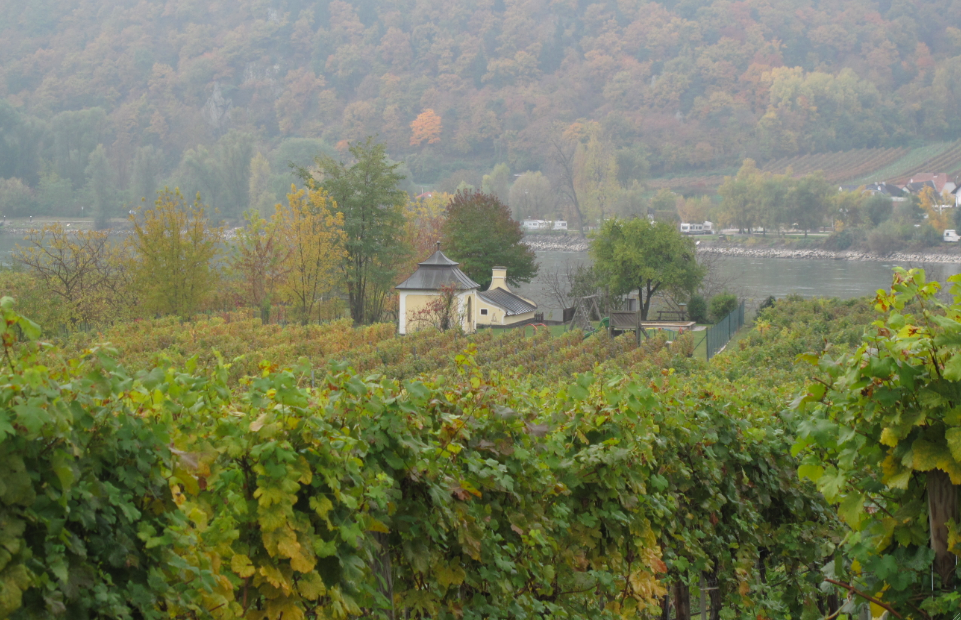
For three days last week, Vienna became the center of the wine world as 200 wine-impassioned bloggers turned the spotlight on Austrian wine culture through the lens of their wines and a new generation of winemakers.
The occasion was the European Wine Bloggers Convention sponsored by the Austrian Wine Marketing Board.
The result was a deep and remarkable plunge into the complex world of Austrian wines, wrapped in the stunning environment of Vienna and the Wachau Valley and a crash course in tasting and understanding this ancient wine culture.
It’s fair to state that for most of us in the US, Austria is not at the top of our favorite European wines nor wine travel locations. We simply don’t have access to these wines at home. With only 30% of Austrian wine exported, the US gets very little and what we do get is limited in variety. The big white wine duo of Gruner Veltliner and Riesling is the extent of most American’s exposure to Austria.
All the more reason to make the trip and see the wine world from Austria’s point of view.
Austrian wine culture, like Austrian history itself, is ancient. People have been producing wine in Austria for 4000 years. The best way to understand the wine of Austria–as with any new language and culture–is to submerge yourself. Just jump in.
Submersion started with a few days at the Schroenbrunn Palace in Vienna with the winemakers themselves, tasting some 50+ Austrian wines. We tasted at the Palace. At wine bars in the city. At restaurants serving local wine from the vineyards within Vienna city limits itself. We were literally awash in Austrian wine.
Taste and appreciation first. Then education and information as the natural next steps.
With the Austrian Wine Commission in partnership with the conference as the hosts, this was an edu-party, an Austrian bacchanalia with purpose. I emerged more literate and with a palate educated and open to scores of new wines, white and red. And a belief that I was let in on a secret: that wine, great wine at that, has been a defining part of this country’s culture…forever.
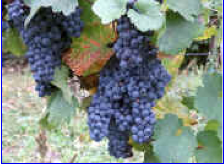 Austria is a small country but with a large and complex vocabulary of vintages, regions, wines, classifications and rules. There are four main wine regions broken into 16 districts and covering some 30 varietals, cuvees (blends) added to the mix. I started to internalize this but certainly three days does not an expert make, especially a non-German speaking one.
I did however take a quick plunge into the following regions:
- Wien (Vienna) at the Schronnburn Palace
- Wachau by boat along the Danube
- Thermenregion at various vineyards, highlighted by the Klosterneuburg Winery and Academy
- Superficial nods to the Styria and Carnuntum regions (with remarkable red wines)
That’s a lot of swirling and tasting, traveling and internalizing the diversity of tastes and styles and terroirs.
See my Tasting Notes in the accompanying post (published tomorrow) for what stood out to my palate and what I recommend. There is some good stuff to search for.
Some thoughts on organic and biodynamic and Austrian wine
I have a bias towards organic and biodynamic wine.
Austrian wine culture, with its ancient roots, and its diverse and challenging terrain, naturally dictates small farms and an organic approach to farming and winemaking. But I found that organic and biodynamic are not marketed strongly enough in Austria. There were many vineyards that were organic producing remarkable wine, but I always had to ask. The same goes for biodynamic. This is an oversight and missed opportunity for the Austrian wine brand. Organic wine tradition is there–and strong–but hidden below the surface.
My suggestion to the winemakers who do the hard, anxious work of making wine the natural way, and the Austrian Wine Board who markets their brand, is to make it easier to identify and find Austria’s organic winemakers. I personally, and many wine lovers, are searching for quality organic wine and are willing to pay a premium for it as well.
“Does Austria only produce white Gruner Veltliner and Riesling?”
When I told friends I was going to taste in Austria, the constant refrain was “Do they make anything by Gruner and Riesling?” And “Are there any red wines at all?”
These are understandable questions from N. America where we see little wine from Austria, all white wines in my neighborhood with little diversity, and often not the best.
According to the Austrian Wine Marketing Board, there are 30 grapes of quality, 13 of which are red. But with Gruner Veltliner at 32% and Riesling at 4-8% of production; reds at less than 20%, the world’s perception of Austria being the land of Gruner Veltliner is both understandable and correct. But the numbers don’t tell the diversity story…great wines from the small regions do however.
Few of my wine local shops or wine friends know, have tasted, or recommended an Austrian red. This is certainly a matter of supply but also of intent. The quality and uniqueness of the reds I tasted most certainly warrant this. I would love to be able to buy a great organic St. Laurent or Blaufrankisch at my local wine shop in New York.
The key to appreciating Austrian wine is its true sense of terroir and local culture
Putting immersive education and speed tasting and cultural appreciation aside, the key to what makes Austria wine remarkably refreshing is its sense of being truly local. Of its unique taste of place. Of local culture and individual terroir which you just don’t get sitting in a wine bar down the street in TriBeCa drinking a random Riesling.
We don’t see a lot of wine outside of Austria because most vineyards are tiny and many produce wine mostly for their surrounding area. There is a tradition of drinking locally and drinking wine young. While difficult for us elsewhere, this is I believe one key part to why their wine and wine culture is so interesting.
In a global and flattened online world, we search hard for the unique and the local, the artisanal and that which rings true. Austrian wine, at its best, across its well known stars, with a focus on its indigenous grapes, its deep sense of terroir and its obscure and interesting reds has that in spades.
___________________________________
My sincere thanks to Gabriella and Ryan and Robert from EWBC for putting on a great event. To Willi Klinger and the incredible team that sponsored this event. And to all of my new friends for sharing this remarkable time with me.
