Few things can satisfy, connect and inspire, yet remain as inexplicable, as a bottle of wine.
Few things carry with them such an encyclopedia of scientific knowledge that is invariably trumped by the simple power of nature’s almanac.
And for all of the things we love and write about, we are always a bit speechless to communicate the nuance of how a bottle of wine, uniquely special with all its details, is really only about our experience of it.
This strikes home when you have one of those serendipitous wine experiences that open up a stream of connected remembrances.
The other evening, this bottle of Grillo was the Proustian trigger that kicked this off.
I was at an impromptu family gathering at Taboon on 10th Ave in Hells Kitchen. Last minute call to celebrate a birthday.
Mediterranean food was piled high on the table. Plates of hummus, bowls of salsa, chopped salads, Baba Ganoush, Tabouli, grilled Octopus, Tuna, tomatoes, squash and pita to die for.
The big aha was discovering this almost-never-seen-in-New York bottle of Grillo from Nino Barraco, an obscure and quite wonderful natural winemaker,
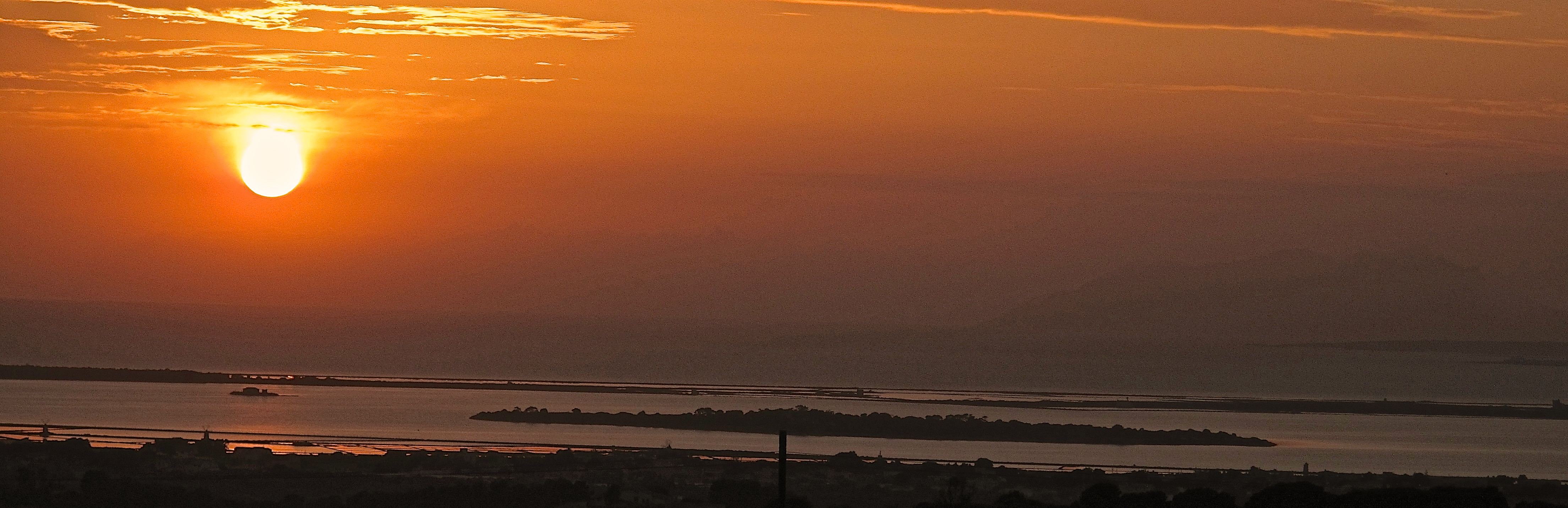
I know this bottle well as five years ago this September, I had visited the winemaker with a group of friends and remember the jolting ride down a long, bumpy and soggy road to his vineyard where the salt marshes outside of Marsala, Sicily touch the steep cliffs above the sea.
There was literally nothing there but the Mediterranean in front of you, breezes rolling cross the sea from Africa and windswept untrellised Grillo vines everywhere. Unplanted almost nowhere else. Indigenous to this part of Sicily but still a rarity.
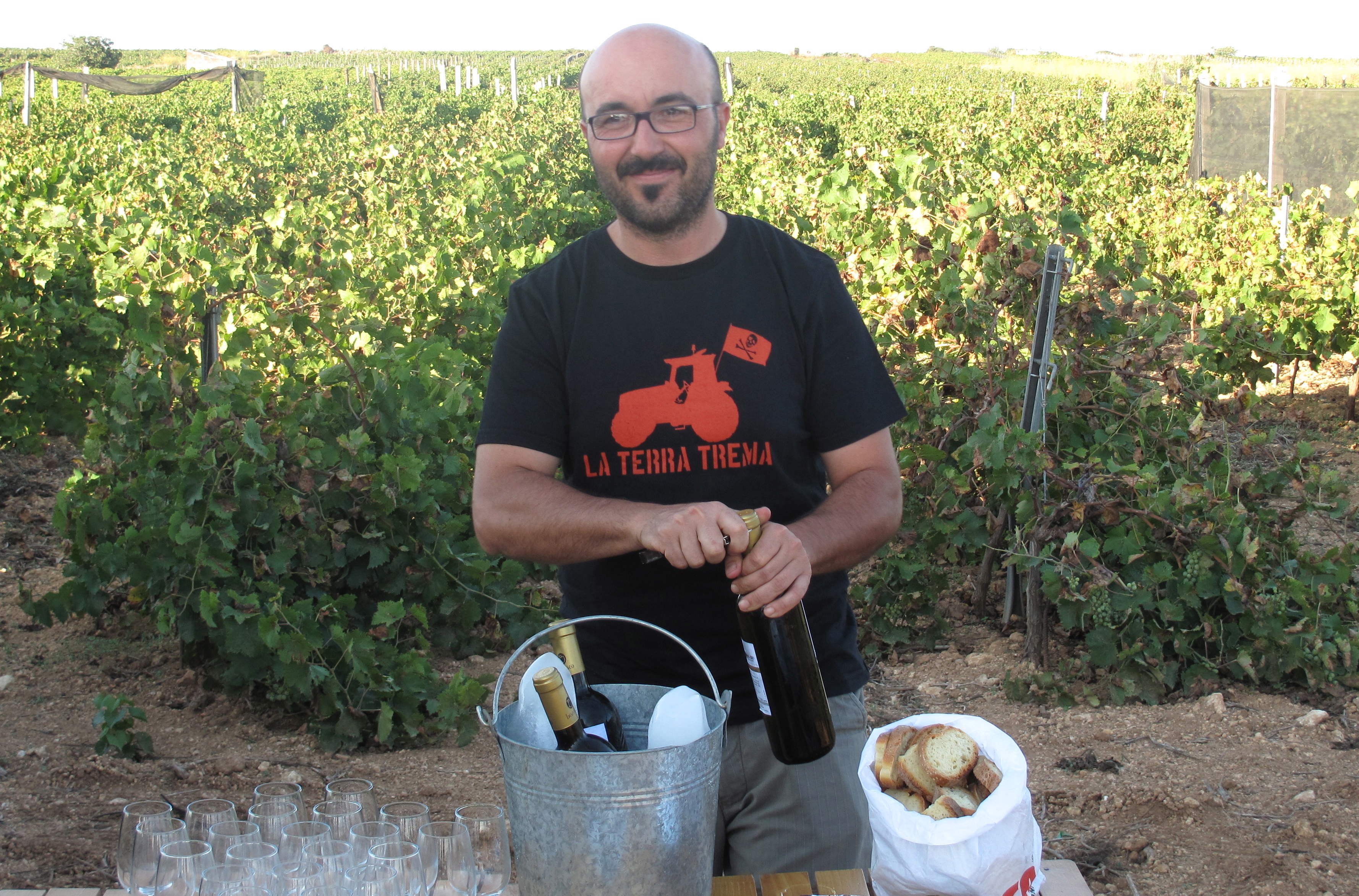
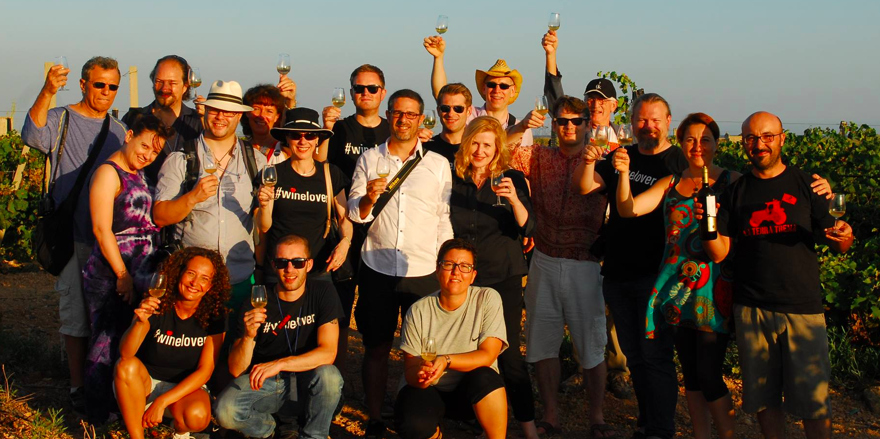
The group of us (see pic in this post) were hanging around a makeshift shack with Nino, the winemaker, in the warm afternoon Sicilian sun, drinking the very first vintage of Vignammare, 100% Grillo, grown in the tiny vineyard where we stood.
He laid out the feast on a wood plank along with fresh sea urchin and shrimp that the his family had harvested for us that morning.
Picture of a truly joyous and perfect day.
The sea, the grapes, the purity of fermented juice made with such passion and intent. As natural and non-interventionist as can be– organic, spontaneous fermentation. Unfiltered, unclarified, unsulphured.
And very special to me in retrospect, as this was still an early taste of skin-fermented white wine—somewhat new to me then, an obsession to me now–adding the minerality of the soil, the salt of the sea, the bouquet of the marsh and the bite on the palate as a pinch to memorialize all this together.
I shared this story with the table in the very noisy corner of the restaurant, heads shook with appreciation as they emptied glass after glass, after bottle.
I had them look at the richly golden color of the wine, held up against the candle light, appreciating that this was white wine, made like red.
They listened to my over zealous spin on why skin is the human touch of winemaking, where people meet the true depth of place, and somehow, it becomes the epitome of connection, perfect as the fingerprint of time, place, people, weather under the overarching shades of our own thoughts that color everything we do.
They literally drank it in.
My enthusiastic story of Marsala and my community of blogger friends by the sea wedded to this gathering of family in Hell’s Kitchen on a steamy, raucous and joyous New York evening.
This is the good stuff of wine and life to me.
Proust may have had his madeleine to spur a long and meditative tale.
We had our bottle of Grillo to celebrate the evening and ourselves.
This is my idea of perfect.
_____
To experience my visit to Marsala, post here.
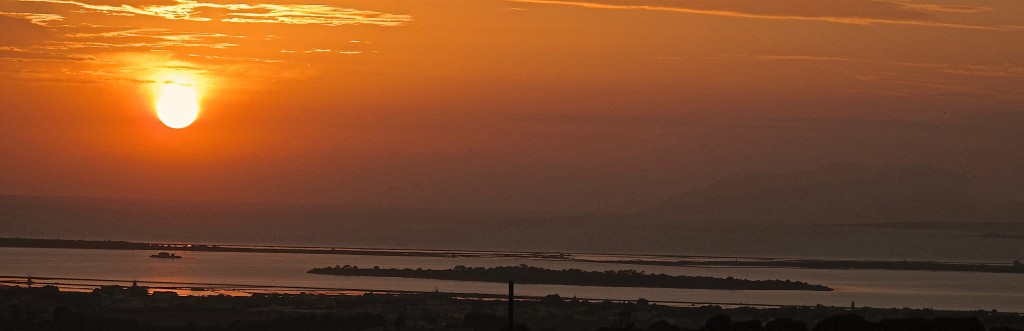 Marsala sits with its back towards Africa, shorelined against the Mediterranean on the northwesternmost tip of Sicily.
Magical as a metaphor for a place so ancient, and a wine craft with such a long tail of lore. Yet when you visit your local wine shop, search the web, the intrigue evaporates in a flash.
You are left with an image of boatloads of sweet dreck, commoditized cooking wine, and Marsala itself at the very bottom of the list of fortified wines.
Few of the most wine enthused know that the traditional regional wine, perpetuum, is still being made. Nor that unique and delicious natural expressions of the Grillo and Zibibbo grapes are available, albeit impossible to find.
Marsala as a region, as a brand, as a wine type is truly a mess in the wine market’s eyes. But well worth brushing off and reimagining.
I did so with a visit recently. Two winemakers, Renato De Bartoli and Antonino Barraco, were at the top of my discovery list, hinting at what Marsala is really about.
Marco De Bartoli
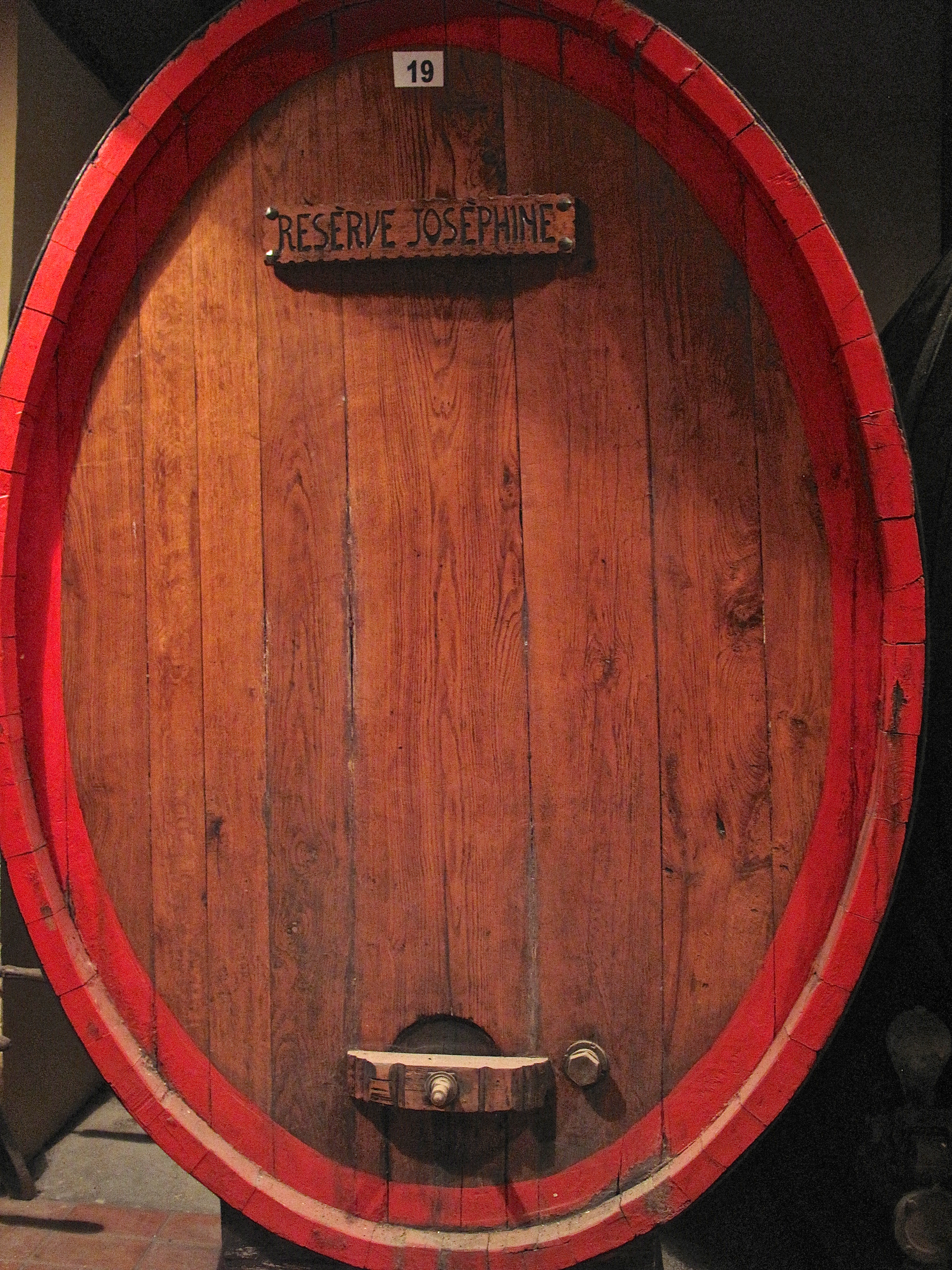
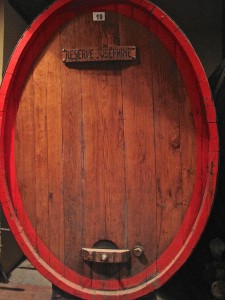 This huge cask is in the ‘perpetuum’ room, a 200-year old cellar on the vineyard where the De Bartoli family has been growing grapes for 6 generations. Marco, the patriarch and regional wine revivalist, started the winery that holds his name in 1978, fermenting a back-to-the-past-future of truly delicious and place-unique natural wines.
In these immense casks, Grillo, the chameleon-like indigenous grape of the region, is being transformed into Vecchio Samperi, the De Bartoli family perpetuum wine. An ancient wine that predates the creation of fortified Marsala in 1796, patiently aged using the Solera method, a blending style where new vintages of Grillo are added to old, year after year, decade after decade.
Take organic Grillo grapes, add the deepening power of time, natural oxidation and concentration. Open the cellar to atmospheric humidity, an air born terroir from Sicilian winds—the Scirocco from Africa, warm and wafting from the Southeast, the Tremonton, cooling from the North
What you get is Vecchio Samperi, 17-18% alcohol, unnervingly compelling and delicately rich on the palate. A ticket to taste hundreds of years old.
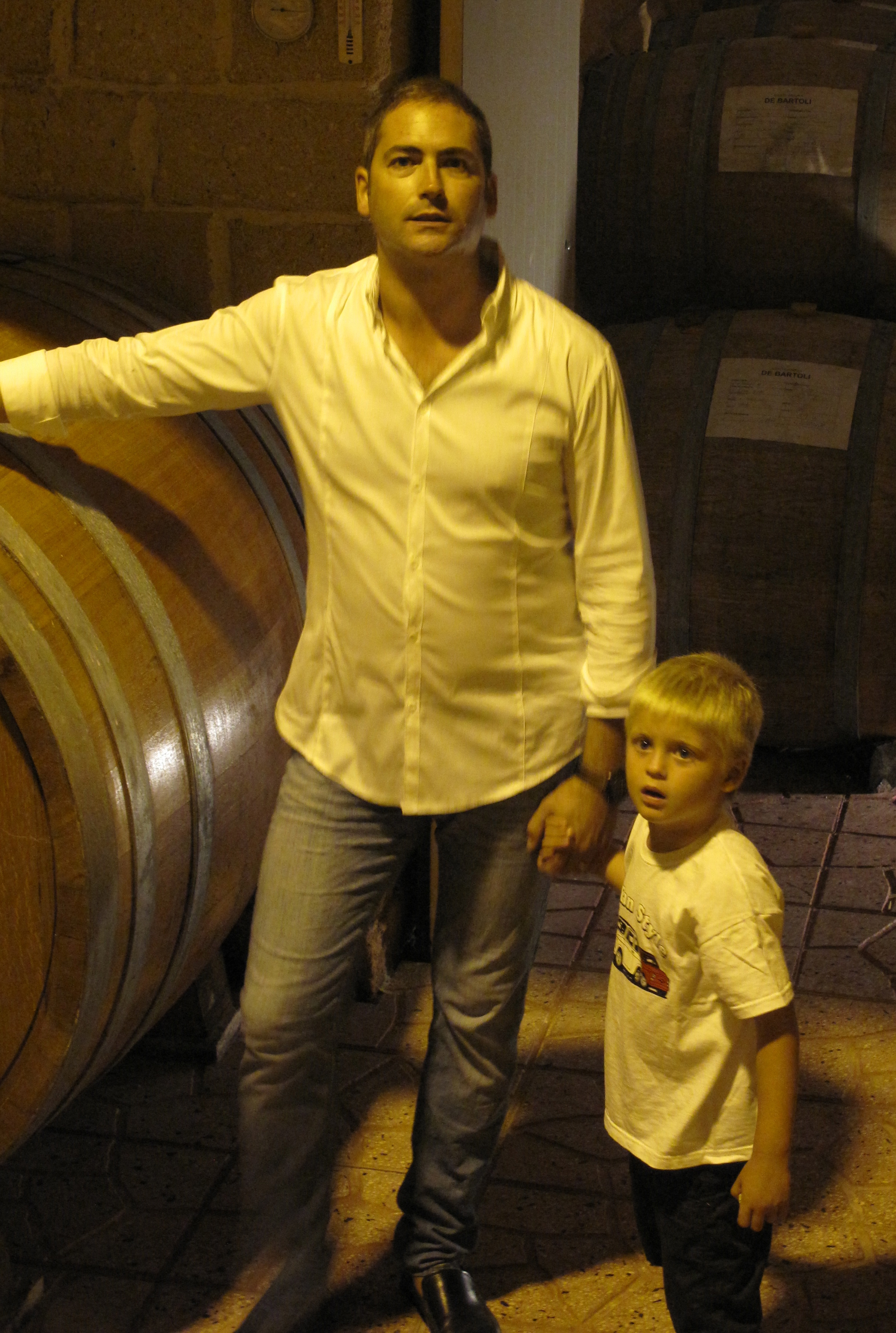
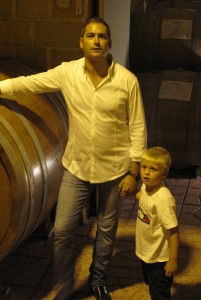 Renato De Bartoli, one of Marco’s three sons is the winemaker of the Samperi vineyard. He told us tales of the wine, this place, and Grillo with unbridled exuberance, a palpable disdain for what Marsala has become in the world’s eyes and a resolute focus on recreating the best of this regions tradition for today’s market.
I liked him instantly—even more so after we spent hours feasting on local fare, tasting bottles of Vecchio Samperi equal to my age, samples of Grappoli del Grillo, back to the mid 1900s, and Bukkuram, made from the Zibibbo grape, grown on their vineyards on Island of Pantelleria.
An astounding (and very long) evening. A deep stride into De Bartoli’s Marsala–in taste, in authenticity, steeped in the old and focused on recreating something uniquely their own.
Antonino Barraco
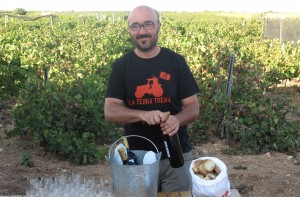
This is the infectious smile of Antonino (Nino) Barraco, natural winemaker, holding court under the Sicilian sun, pouring Grillo, serving fresh caught shrimp and sea urchins at his tiny (8,000 sq. meters) Vignammare Vineyard.
We are in Riserva di Capo Feto nature preserve, a salt marsh with a dirt road, heading due west to the ocean. At the very end, ocean smack there, the Scirocco and the Tramontana winds in full force, is the vineyard.
Not a cellar in sight, just sea, sand, salt….and Grillo grapes.
Nino comes to winemaking through his father, a grape grower, and we are drinking their first vintage of Vignammare, 100% Grillo, grown where we stand. As natural and non-interventionist as can be– organic, spontaneous fermentation with long skin macerations. Unfiltered, unclarified and no added sulphur.
This is wine born of the love of land, the taste of the sea, and a trust in nature and the winemaker. This is bottled fruit, time, place and natural intent.
Salty to the tongue, a touch of iodine in the palate, spicy somehow, ocean fresh and just a pleasing clarity of taste with distinct minerality.
Perfect with the fresh sea urchins, the hot sun, feet in the sandy loam, surrounded by friends in a foreign place. Perfect just about anywhere really.
This is the Marsala I discovered.
I fell in love (hard!) with Grillo, and these winemaker’s expressions of this grape. But I never had the chance to spend much time with Zibibbo. Or Perricone, the local red variety, especially interesting in the care of Marilena Barbera of Cantine Barbera in Menfi.
There is just something very special here that I barely tapped.
The distinctive quality of the indigenous grapes. The hot sun tempered by a deep loamy limestone soil. The sea itself as important as the bordering lands. And the crisscrossing of winds, whipping up something unique in each and every glass.
These wines are really hard to locate. Marco De Bartoli is imported into New York by Louis Dressner, but near impossible to find with the exception of a few at Chambers Street Wines. Baracco is without distribution here at the moment.
Consider asking for wines from these producers when you are in a wine friendly place. Your local shop or wine bar, or when chatting with your favorite sommelier. With some luck, someone will eventually say, ‘Yes!’, we have it.
The pleasure will be all yours. I guarantee it.
_______________
Big thanks to Regione Siciliana – Istituto Regionale Vini e Oli, in collaboration with Fermenti Digitali / Proposta who sponsored me on this trip.
For those interested in excellent posts by my fellow wine bloggers, check them out here.
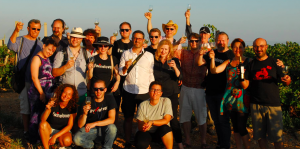 What a really fun time this was!

At the Thanksgiving table that is!
I’m the wine guy in the family, and every Thanksgiving I take a bus from the Port Authority (really a horror) to Jersey to see the extended family (always a kick). Schlepping two bags (6-7 bottles with ice packs) on the #2 train, then on the Martz line is the yearly drill.
Some years I do better than others. I never play it safe. This year I batted almost 500 and hit one home run and three triples.
Big holiday wine learning this year: Don’t wait to introduce the wine at the table!
Start informally (I did at the kitchen counter), uncorking everything, pouring and telling stories for each bottle with the group pre dinner. Everyone found their favorite and proceeded to the table glass in hand. Great format.
The hands down popular favorite of the evening:
7 Fuentes Suertes Del Marques 2010!
Mostly Listan Negro with a smidgen of Tintilla, this luscious bottle is from the Island of Tenerife, the largest of the seven Canary Islands off the coast of Spain.
The organic grapes for this bottle are grown in tiny craters to protect them from the wind and aid evaporation from the sea air. This wine piques the imagination and just dances in the glass. Pungent, silky, replete with minerality. A slightly sweet aroma and an almost unnaturally long finish.
Surrounded by nieces and nephews, doctors-to-be, teachers and business people, this caused heads to nod, glasses to get refilled and conversation to flow.
Taste. Vitality. Friendly and pure. This is a wine with everything we love about it for every type of wine lover. And with a turkey dinner…perfection!
From Chambers Street Wines for $22.99.
Three way tie for runner up: Descombes, Tissot and Broc!
Georges Descombes Regnie 2010
I’m an unabashed Gamay fanatic. Descombes is the first Beaujolais I ever drank and one of the original “Morgan Gang of Five” that turned the world, and myself, on to the wonderfully easy and always interesting organic Beaujolais.
All flavor. This bottle was ripe, but, to me, brighter than the 2009. Great acidity to carry the flavor and make it oh-so-friendly with food.
Quaffable with some real life in the mouth. This is unfined, unfiltered, miniscule amounts of sulfur at bottling—Gamay as natural as it can be.
I love this bottle. $21.99 at Chambers Street Wines.
Tissot Arbois Trousseau Singulier 2010
I’m a long-term fan (really a fanatic) of Stephane Tissot and the Jura. I have repeatedly ignored all warnings that serving Trousseau (or Poulsard) to the non geek is a non starter.
I continually do so and am continually proven right. This wine dances between some austere structure and satisfying cherry taste. An almost perfect wine in my book and the epitome of balance. Uncannily floral. Couldn’t choose something better for sipping with roasted anything in my opinion.
$32.99 from Chambers Street Wines and others online.
Brock Valdiguie Solano County Green Valley 2011
Berkeley Winemaker Chris Brockway discovered a plot of 70-year old bush trained Valdiguie, a grape with origins in the Languedoc-Roussillon, in Solano County, California and continues to make this amazing bottle.
Fruit forward, juicy but vivid on the palate. Really lively in the glass. A happy red filled with verve.
Simply a great bottle with Turkey or, (I think), even roasted fish.
New-to- me bottle and winemaker. At $21.95 from Frankly Wines, this is an easy one for holiday gifts.
Belluard NV Ayse Vin de Savoie Méthode Traditionnelle
The big disconnect of the evening between the family’s taste and my palate.
I discovered that the family was neither white grape nor sparkling inclined.
While this bottle was a dull thud with the family, it was a celebration and a marvel for me! I finished this open bottle mostly on my own happily throughout the evening.
Rumor has it that Belluard is the only one in Savoie (or anywhere) who cultivates the Savoie native Gringet grape. The first fermentation of this tradiionally made bubbly is done with native yeast; the second with Champagne yeast. Non dosage. Over an evening of sipping this it was wacky…sometimes all tart apple, almost layered. Other times with a spicy tang. Beautiful refined bubbles.
Maybe not a family favorite but at $19.99 a bottle for natural white sparkling, I’m stocking up! From Chambers Street Wines.
Sandy Skerk 2009 Vitovska
I didn’t open this bottle (sigh!). The reaction to the Ayse and the crowds rush to the reds found this, one of my favorite wines from a hero of mine that I visited in Carso Fruili, taking the bus home with me.
It’s open now, being sipped as I write this.
I truly love this bottle of wine. I can’t sip it and taste its weighty balance, its layered acidity, and its insanely long and rich mineral finish without thinking of the Carso and my morning at Skerk Vineyard. An amazing place, back to the Alps, front to the Adriatic, all limestone and iron ore and wonder.
Available only at 67 Wine in New York for $34.99.
________
NOTE: Half of my Thanksgiving wines were discovered at wine tastings put on by New York wine shops that are part of theLocalSip wine marketplace that I founded. All the wines are available online through these shops.
Happy Thanksgiving to everyone!
Sometimes we rail for change over a long period of time, wake up one morning, and find that we have already turned the corner.
With the often rancorous debate over natural wine, I believe this has finally happened.
I just returned from the European Wine Bloggers Conference in Izmir, Turkey, where a Natural Wine Panel, with an A list of presenters in front of a large global audience of wine influencers was billed as a main event.
As articulate as the panel was, as polarized as the views certainly were, it seemed somewhat irrelevant to today’s marketplace. Quaintly retro and academic like a lecture on social issues years after a shift in norms.
It just didn’t seem to matter any longer.
We live in a different world today.
Dramatically and wonderfully so from five or six years ago, when natural wine as a ‘movement’ under the leadership of Alice Feiring and others, collided with the wine world’s establishment. The marketplace has evolved and moved on. The pocketful of remaining natural wine naysayers sound shrill and out-of-touch.
There’s a new global culture at play today. An almost perfect wave of change with an informed market and a feeling of collective responsibility for our personal health and the health of the planet.
Add to that the ubiquity of the social web that has normalized a globalization of local markets, and a consumer propensity towards the artisanal, towards the unique and towards interesting over perfect, especially in our food products.
This is true of a population of consumers wherever I travel in the states and Europe. En route back from my trip to Turkey this week, I can state that this exists firmly on both sides of the Bosphorus!
I am not talking just about wine. Wine didn’t invent the category of natural as a phrase or filter for consumable goods. It does, however, fit nicely under it.
In today’s world, people don’t just buy products, they buy beliefs.
True for jeans. True for food. True for wine.
The broad market, empowered and informed, has leaned toward natural as a norm, healthy as sexy in our food and agricultural products, sustainability as something to be striven for, social responsibility in manufacturing.
This is neither cult nor religion, just a general state of how an ever-growing portion of the population perceives what is ideal and right. The market would rather buy local, buy fresh, and would rather take referrals from friends rather than dogma from pundits.
It’s a signature of our times.
Natural as a term thrives in the marketplace because it is neither a definition nor a certification.
Organic is regulated certification with legal meaning on a wine bottle. This is true for Biodynamic as well. These certifications serve their purpose and tell the buyer how the grapes were grown.
But for wine, these certifications tell only a small part of the story, concentrating only on what happens in the vineyard. With the exception of sulphur, not at all on what is added or what happens in the cave.
Natural is a category, not a certification and a superset of both Organic and Biodynamic. It provides a lens into how a wine is made beyond how the grapes are grown. It guides you to discover the intent of the winemaker and starts you on a path to understand how a wine is made beyond simply the fruit.
Natural means loosely that people made the wine with organic materials and a non-interventionist approach. It means in many cases that the intent was to make the wine with natural yeasts and indigenous grapes in a traditional fashion.
These are neither rules nor laws, they are intents. The winemaker or your merchant can tell you what was done. The natural category just guides you to the point of discovery and disclosure.
The wine world is bereft of labels. Bereft of ways for the consumer to find some way to approach wine without mandatory education and with comfort.
Natural does this job well.
Interesting is the new perfect.
We live in the era of the small brand. The individual. The artisan.
Remarkably, what the Internet and technology have done to a flattened global world is to put the local, the unique, the hand made and the limited production on a pedestal.
We want to buy products that smack of the place they were made and the person who made them.
When I crack open a bottle of Vitovska from Carso on my roof deck in Manhattan and talk about how in Sandy Skerk’s cellar you can see the vines working their way through pure limestone and iron, friends get it immediately. They can taste the story in all its unfamiliarity and natural interest. This bottle is the product of that unique place from this unique winemaker with these wonderful (and unique!) grapes.
Nothing tastes more perfect than a story and a belief that is unique and geo-stamped as a place in your thoughts.
Natural wine as a belief doesn’t have a lock on interesting, but interesting is one of the characteristics you certainly do look for in a natural wine.
The market is not the least bit confused.
Natural as a category is everywhere in New York City. As the moniker under the name of a wine shop or bar. On menus. Used by sommeliers at the best restaurants.
Pundits are (sigh!) still decrying the confusion of the term natural and even some of my favorite natural winemakers, like Frank Cornelissen or Salvo Foti do indeed balk at being classified.
But the consumer cares.
Most consumers understand little how wine is made, and are happy to have a category that gives them comfort and consuming direction. They don’t wear t-shirts with natural written on them, but they do search for wines and food and product that are just that.
Natural wine as a category, a refrain even, used by boutique distributors, custom importers, shops and many winemakers, is a connector to a customer base that cares, that wants great taste and that want to shop within its beliefs.
To end…
The world has turned a big corner to a new path.
And in the wine world, this is the most exciting, open and undefined time to make, sell and enjoy wine made by individuals in unique spots on the globe with a belief in making wine as naturally as possible.
I’ve been striving to understand, and blogging on natural wine for years. It excites me intellectually and challenges my palate.
All the discussions in Turkey driving me to write this post on the way home have really whetted my thirst for something wonderful. I’ve been day dreaming about walking into Sandy Skerk’s cellar with him in Carso and tasting Malvasia from his barrel.
Time to shut the laptop and head to the wine cooler.
I’m thinking of that bottle of Ograde from Skerk that I’ve been saving, or maybe that Foti field blend that I first tasted at the Vigna del Bosco vineyard with Etna smoking in the background, to sip as I push this post live.
 To the 60 winemakers on Mt. Etna, Sicily, one of the most active volcanoes on the planet, terroir is hardly an abstraction.
Etna has been erupting for some 500,000 years, at least once a year for the past decade. Continuously active. Always ‘blowing volcanic chunks’ in the slang of the volcanist.
As a long-term fan of the area’s wine, Etna as a real place that sits under the perpetually smoking volcano was something bookish and abstract in my mind till I climbed these hillside vineyards and let the volcanic sand run through my fingers.
I’ve loved and written about Etna over the years through the bottles of four local winemaking greats.
Benanti the patriarch. Biondi the beloved artisan. Foti, the soul of Etna, living and breathing the belief that the vineyard is indeed the wine. And Cornelissen, the foreign iconoclast, whose wines I love but there’s invariably a gap between unquenchable interest and pure sipping enjoyment.
From the first sunrise with the fuming volcano straight in view, it became clear what while I loved the taste of Etna from afar, I had missed the true magic of this place till that very moment.
The magic that comes with a smidgen more hands-on understanding and a healthy dose of seeing the land up close and personal.

That’s the magic I want to share.
It rises from a melding of the volcano as the heartbeat of Etna’s terroir, the astounding ubiquity of ancient, often ungrafted, indigenous grape vines, and a wholehearted embrace of traditional (and natural) winemaking from many in the region.
Define terroir as you like, but what’s clear to me, across grape variety and microclimates a plenty in this area, is that Etna itself as the volcanic replenisher of the soil is the atomic component of their terroir.
And to every one of us who picks a bottle of Etna Rosso or Etna Bianco from a restaurant menu or shop shelf, this is the plot of the story you are tasting.
The volcano is definitely the thing…
As a guest of the Etna Wine Blogger’s tour recently, we four-wheeled it to the top of the volcano, jeeped and labored up steep vineyard slopes, visited some 20 producers and tasted on the hillsides where the grapes were grown.
Unique beauty and surreal volcanic landscapes aside, I just couldn’t wrap my palate around the differences in tastes from one Etna Rosso or Nerello Mascalese to another. With the whites the differences from one Etna Bianco or Carricante were even more striking.
Boggling how different the tannins in the reds were from place to place, and the palate itself in the whites as we circumnavigated the volcano on three sides.
Elevations and microclimates aside, it gelled for me when I picked up this piece of volcanic flotsum on a steep vineyard walk in the historic Brancatelli, Monte Ilice Vineyard.
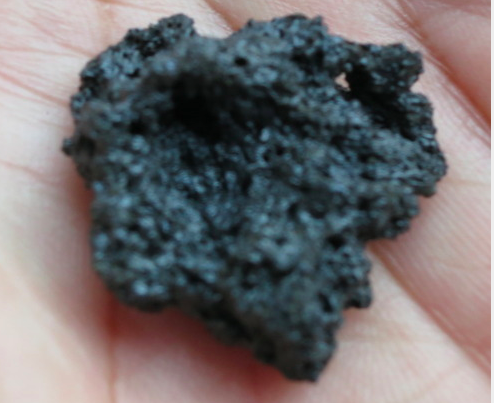
This chunk of ash, about a month old, (sitting on my desk now) is a tangible example of what drops from the sky and characterizes the soil I was walking on and what the grapes are grown in.
Nothing impacts more of what we taste in wine than the soil itself. This piece of air born lava is my clue to understanding the diversity of taste in the area and my deep visceral appeal for this region.
Etna is always spewing forth and a natural progenitor of the soil itself. Terroir comes from the sky here. Each bit of volcanic activity and each chunk of ash like that in my hand is different, from a different strata of the earth with different elements and mineral densities. The winds are the distribution system spreading the new additions to terroir willy nilly across the region.
And of course the less frequent, more dramatic eruptions which change the landscape and the land itself with lava flows.
What a place!
Like a child’s story. What really amazing terroir with uniquely fingerprinted and tasty results!
The vines are the thing….

Character and age never looked so good nor spread so wide in one place.
The photo is a 225-year-old Alicante vine in the I Vigneri, Vigna Centenaria Vineyard of Salvo Foti. Most of the vines in this vineyard exceed 100 years in age.
Many wine lovers relish the depth and concentration of flavors that we get from wines made from really ancient vines. A taste that comes with the character and complexity of age.
We pay a premium for this character on the market. Because of their scarcity and their quality. Old Vines in English, Vieilles Vignes in French and Alte Reben in German are wine label designations of something special everywhere in the wine world.
From a scarcity perspective, not in Etna it appears.
In most of the older vineyards, scattered everywhere, 60+ year-old vines and older seemed commonplace. I don’t know the why of this. Maybe it’s the volcanic sandy soil that contributes to the high number of pre-phylloxera vines.
Vitality certainly runs deep in this volcanic soil and age seems ever so gingerly…ageless.
Looking back to find a really bright future…
Etna coalesces around the intersection of this broad canvas of wondrous wine and a trio of factors bringing it together.
The volcano itself as the engine for terroir. This x factor in the longevity and character of the indigenous vines….and leadership, in the form of Salvo Foti.

Salvo, more than any other individual in Etna, is laying the groundwork for the future. And I think the future greatness for Etna as a wine region.
Foti is the organizer and leader of the I Vigneri project, named after a Vintner’s Guild founded in 1435 to align the small vineyards in Sicily around the cultivation of the Albarello bush vine. Close to 600 years later, the intent of the project is the same.
It is an agricultural collective dedicated to indigenous grapes, natural cultivation and an obsessive attachment to the terroir of Etna.
I had the pleasure of experiencing his dream first hand on this trip. With him, tasting at Vigna Centenaria (photo at the top of this post) and through this gate into a living diorama of Etna’s terroir and roadmap for what I hope is their direction for the future.

This is the doorway to Vigna del Bosco. The highest vineyard in Etna at 1300 meters and a glimpse into an Etna that is rising in vineyards of I Vigneri and the many winemakers inspired by Foti approach to terroir and viticulture.
This vineyard sits small and quiet surrounded by groves of Sicilian Oaks, Chestnut and Juniper trees. Stepping down and in is like stepping to a future idea of vineyard health, natural viticulture, respect for vine itself and a stewardship of place with craft and skill.
Tall Albarello vines in an impossible melting plot of indigenous grapes: Nerello Mascalese, Nerello Cappuccio, Alicante (their name for Grenache), Carricante, Visparola, Minnella, Grecanico.

This is Etna ungrafted! A verdant ecosystem of balance, climatic extremes and rigorous vineyard health.
It was magical here.
When a vine dies, they propagate another by layering. By choosing whichever vine is closest and bending a shoot underground to take root. In two years, it has added fruit to this natural field blend and takes it place along with the other more ancient vines, most between 60 to over a hundred years old.
I need to come clean and confess.
This most urban of New Yorkers was bowled over by this place. I just laid down on the vineyard ground here, zoned out on a hot Sicilian day under the shade of the grapes and watched the volcano through the vines.

Then, in a nearby grove of trees, with my friends and the winemakers, I tasted for the first time the wine I am sipping as I write. A 2010 field blend from Vigna Del Bosco, Vinudilice. As natural as can be (no sulfur added) and made entirely from the vineyard I just visited.
That’s the magic of Etna!
This place, that volcano, this taste of a natural field blend rolling in my mouth. Terroir all…all in a glass!
What a truly amazing trip this was!
——–
I want to thank generously Elisabetta Tosi, Giampiero Nadali and the Consorzio Tutela Vini Etna D.O.C. It was life changing.
I recommend that those interested check out the excellent posts from my fellow wine bloggers on the Etna Wine Bloggers Site.
Note: Photo at the top of the post is the tasting platform at Vigna Centenaria, Foti’s vineyard. The platform is made from lava rocks pulled from the vineyard itself. An astounding place to taste.