There’s a wonderful bouquet, a natural crispness and an ineffable curiosity that connects your palate to the story behind the winemaker and the vineyard.
There’s a saga of an ancient vineyard that since first planting, 1100 years ago, completely side-stepped industrialized farming and modern winemaking techniques.
And there’s a tale of a family estate and the prodigal son who, late in his 20s, gave up his acting career and followed cultural gravity back to his roots to make wine with his father.
All three come together in these remarkable and delicious natural reds from Alain and Julien Guillot’s Clos des vignes du Maynes vineyard.
Sure…the natural wine geek in me is gaga over the winemaking approach, but the wine is so wonderful, so interesting and yes, so natural, that it shushes the pundits, quiets the critics and just pleases.
 Alain and Julien’s vineyard, Clos des vignes du Maynes, is in Macon Cruzille, outside the village of Cruzille in the southern portion of Burgundy. A tiny, 16-acre enclosed estate originally planted by the Benedictines of the Abbey of Cluny around 900 AD, it was purchased by Julien’s grandfather in 1954. Julien is now the principal winemaker and manager of the estate.
Rumored to be France’s oldest organic vineyard, this land has never had any chemical treatment. Ever. No chemical sprays or fertilizers or pesticides. Most of the vines are ancient, some 50 to 100 years old, planted on high elevation slopes of crystallized limestone and thin clay. Ancient methods of agriculture have been used here consistently since ancient times.
Since the 10th century, replanting has been done with the classic selection massale method. No modern clone has ever been introduced. New vines are grown from in-vineyard cuttings. The entire estate was certified Biodynamic in 1998.
Clos des vignes du Maynes makes wine naturally from the vineyard to the cave. All harvesting is done by hand, fermentation in ancient oak vats and barrels. Nothing is added, enhanced or filtered out between fermentation and bottling.
This is nature’s way all the way.
Ahh…but the wine itself is the storyteller here. Not how it is made.
I tasted multiple bottles of Julian’s quite brilliant reds over the last month. The 2010 Clos des vignes du Maynes Cuvee Rouge 910 and the 2009 Macon Cruzille Manganite.
The Cuvee Rouge 910 is my kind of warm weather wine. Light and lively and lovely. It’s a true field blend of Chardonnay, Gamay and Pinot Noir where the grapes are grown, harvested and vinified together. 910 refers to the year of the first harvest on the domaine. The methods were probably not dissimilar 1100 years ago. Hand harvested and bottled, pressed by foot, vinified and aged without sulfur.
This is a light and vivacious bottle of wine. Reminds me of the intense aromatics and long finishes that I find in the very best Trousseau from the Jura. Silky smooth and refreshing. It feels just right with the Chardonnay as an x factor. I’ve served this many times to friends and always met with an aha of pleasure and an empty glass smile for a refill. Available from Chambers Street Wines in TriBeCa for $23.99
The Macon Cruzille Manganite, produced from 60 year-old Gamay vines has that unlikely combination of both rich fruit and of deep minerality. I’m an unabashed Gamay enthusiast and this bottle has real chutzpah.
Deeply rich flavors, intensely aromatic and an insanely long finish. Julien employs a nine-day true carbonic maceration followed by fermentation in old vats. But the tannins are still tight and you get the sense that this bottle will evolve continuously over time. It is extremely low alcohol, 12.5%, for such a powerful red wine.
And like all of the reds from the vineyard, there are zero sulfites added.
Julien Guillot’s field blend was a bottle to drink and savor now and tomorrow. The Manganite is delicious but still in motion to my palate. There is pleasure in enjoying this bottle today; there is gravitas that will surface over time.
The 2009 Manganite is a bit pricey at $33.90 from Chambers Street Wines but well worth the plunge. I’m already looking forward to uncorking a few bottles from my cellar at Thanksgiving.
Check out the wines of Alain and Julian Guillot.
Don’t buy them because they are Biodynamic or natural but because they are delicious and a pleasure to drink. They are also as natural as wine can be.
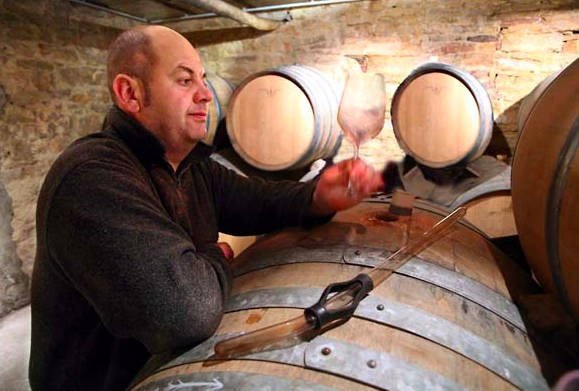
What a story this bottle of natural wine from the Jura tells…
It’s an inspired education in the detailed simplicity of biodynamic winemaking. And a cultural nod to the ancient tradition of field blends emphasizing the dominance of place over the individuality of the grape as the true signature of terroir.
The wonder of this wine is in its drinking pleasure. Round and fresh with a crisp mouth. Spicy red fruits, snappy tannins and a savory effervescence that is clean, alive and memorable. This is a rustic palate with natural crispness and uncannily refined.
Jean-François Ganevat is the iconoclastic Jura winemaker responsible for this natural treat. His family has been vignerons in the area for generations. He’s been making wine at his family domaine since 1998.
I’m a student of the wines of the Jura, located in east central France in the foothills of the Alps. But Ganevat is the first winemaker I’ve focused on from the southern part of the region. His vineyard is in the tiny Hamlet of La Combe above the village of Rotalier.
In the Jura there are over 40 different grape varieties grown, most indigenous to the area and quite obscure, and many cultivated only in the Jura region itself. On Ganevat’s tiny vineyard, 17 of these 40 grape varietals are grown, sometimes vinified separately for his Poulsards and Savagnins, and in the case of J’en Veux, all 17 are harvested and vinified together as a field blend.
I was first introduced to field blends, known as Gemischter Satz in Austria by young and talented winemaker Gottfried Lamprecht from the Styria region. I tasted his crisply delicious Buchertberg White field blend in Vienna last year. Gottfried is a passionate believer that field blends are the truest expression of terroir.
Field blends emphasize the dominance of the place over the grape. Ganevat’s J’en Veux is a prime example of this. With J’en Veux you are literally tasting the Hamlet of La Comb not any of the individual varietals themselves.
Understanding the taste footprint of this bottle is less about the broad stroke of an organic or biodynamic approach– even though the vineyard is Demeter certified–more about the intense care and stewardship of the grape as the vessel of the vineyard itself.
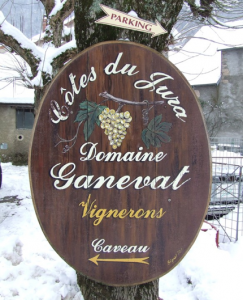 J’en Veux is truly a handmade wine. Each grape is individually destemmed with a scissors, keeping every grape intact and unbruised. This maniacal attention to detail is painfully labor intensive with a 600-kg load of grapes taking 10 people a full day just to separate and remove the stems.
Add to this care, an extended elevage (aging) and a minimum of one year in tronconic (think cone-head shaped) wooden vats. Nothing is rushed. This is a gentle process with an eye towards creating a natural product that has time to discover itself.
J’en Veux has no sulphites added at all. While the wine is certainly ‘alive’ if you keep a bottle for a few days after opened, it is pure and and balanced and technically, quite perfect.
This is a wine of spring and summer. A chilled red with purity, natural crisp taste, refreshing, food friendly and alcohol light. When I shop for vegetables on an early Saturday morning at the Farmer’s Market, the fresh smells of the stalls makes me pine to cook and pair the food with a bottle of J’en Veux.
And this refreshing unique taste produced in a 100% natural way comes at a price of less than $30 a bottle.
Buy this if you can find it. Available at writing at Chambers Street Wines in TriBeCa, NYC.
Thanks to Sophie Barrett, Jura maven for recommending this bottle.
Photo credit to wineterroirs.

I think of wine iconoclast Salvo Foti as Don I Vigneri of the Mt. Etna area of Sicily.
He is the leader of the natural wine movement in this volcanic, southeastern corner of Sicily. While extreme in some respects (racking and bottling under a lunar cycle), he is a pure spirit of natural viniculture and if you want to understand Sicilian winemaking in the Etna DOC, start with Salvo Foti.
Foti is the organizer and leader of the I Vigneri project, named after a Vintner’s Guild founded in 1435 to align the small vineyards in Sicily around the cultivation of the Alberello bush vine. 500 years later, the intent of the project is the same.
I Vigneri is an agricultural collective dedicated to indigenous grapes, natural cultivation and an obsessive attachment to the terroir of Etna. Today it provides the economic incentive for local wine experts and trades people to continue to work in the trade, keeping the skills intact. We of course are the beneficiaries of this.
 Foti believes that wine has its own composition that is created by the grape, the vine, the vineyard, the climatic conditions and the individual (vineyard worker and winemaker). In his own words “It’s important that there is harmony and respect for each variable to make a wine that truly sings”.
Salvo Foti’s own label is called I Vigneri as well. And to be expected, the process is as natural and ageless as Mt. Etna itself. No fertilizers or pesticides. Hand cultivation and harvesting. No added yeasts. Unfiltered. Few sulfites.
The ’06 Etna Rosso Il Vigneri is a blend of Nerellos Mascalese and Nerellos Cappuccio. Comparisons to Biondi’s Outis make sense as the blend is similar, Foti consults to Biondi and the vineyards are adjacent.
This bottle is unique from all of the other indigenous grape blends I’ve tasted from Etna. It’s like a rustic cheese or dinner at a local inn in some corner of Italy. Like strong country fare, just pulled from the ground, spiced to bring out natural strengths in taste and strong by nature.
The wine is juicy, fruit forward with strong and tannins. Not overpowering but not for the light tasting palate. This is wine of the place…as unencumbered and as representative and as local as it gets.
I put a way a few bottles of this as a baseline for the Etna DOC. If you want to understand what wine without the modifications of time and modern culture and new techniques, grown on the steep slopes of an active volcano tastes like…this is it.
And it’s a pleasure.
Available from Chambers Street Wines for $32 a bottle.

Olivier Riviere the winemaker, is young, mostly unknown and new to the wine world. Watch out! This winemaker is a star in the making.
Olivier is from the Cognac region of France, studied enology in Montagne St-Emillion, and is devoted to biodynamic vineyard techniques and natural winemaking with a focus on unsulfured wines.
This bottle is named Gabacho, the derogatory Spanish term for border jumper, namely French folks coming to Spain, namely Olivier himself.
If you have any preconceptions of wine from Rioja and Tempranillo, it is time to throw them away. Gabacho is a blend of 50% Tempranillo, 35% Garnacha, and 15% Graciano and is well…distinctly its own bottle in every way. And a great one at that.
Olivier focuses on terroir, old vines (the Tempranillo vines are 75 years old) and altitude. He believes that the cool night air purifies the acidity in the grapes and lets the taste be both rich and structured. Sounds like a handshake between Spanish and French wine cultures to me.
It’s a great bottle at $22. It’s a great bottle period.
Fruit forward and balanced. A medly of grape tastes and a really exciting blend of rich and subtle, wow and restrained, forward and structure. Bottled talent and taste here.
It is really difficult to find this bottle. But bookmark his name and keep an open eye. If there were wine futures for Olivier, I’d buy today.
My thanks to my wine guide and mentor, Christopher Barnes @ Chambers Street Wines for sending me home with this great bottle.
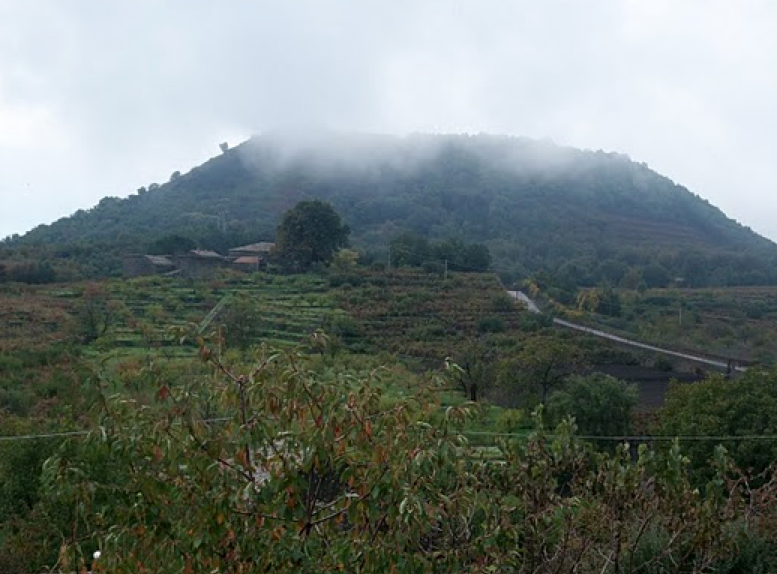
The Biondi family has owned vineyards on the rugged hillsides of Mt. Etna on the eastern side of Sicily since 1635. I imagine the volcano then, just as it is most days today, shrouded in clouds, smoking and erupting erratically.
The passage of time has really not changed winemaking here. Impossibly steep hills and sandy volcanic soil make agriculture a manual affair and viniculture difficult and hostile to modern methods and machinery. But out of this ageless ruggedness, in the hands of the Biondi family, comes indigenous wine that is rich, complex and stamped with a permeating sense of terroir.
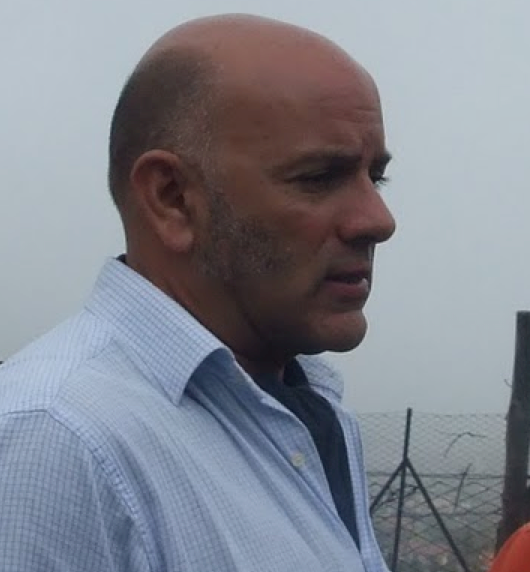 Ciro Biondi is the current owner of Vin Biondi. Wine has been marketed under the family name since the late 1880s but fell into deep disrepair until Ciro took the leadership role in 1999, started the restoration and hired winemaker Slavo Foti to create wine for the family from only native Sicilian varietals.
Everything is done by hand here, with pulleys and lifts to move grapes and materials up and down the mountain. Organic farming and manual harvesting are as much the nature of the landscape as of philosophy. Small sections of high elevation hillside plantings can take a team of 4-5 workers, 10 days to select and harvest.
The Outis (nessuno in Italian, nobody in English) is the name that Ulysses gave to Polyfemous the Cyclops on the foothills of Mount Etna. This bottle, the Biondi ’06 Etna Rosso Outis Nessuno, is a blend of the native Nerello Mascalese and Nerello Capuccio grapes from ancient 100 year-old vines on ungrafted root stocks. The real thing from another era for certain. They grow like bushes, clinging to the volcanic soil with very small yields but producing wines of depth and complexity.
This place is obscure and romantic to the imagination but the wine is really something delicious to relish as a daily red. Locals and wine aficionados claim that the Outis has the structure of a Barolo and the elegance of a Burgundy. A tall order but it describes the wine well.
The Biondi ’06 Etna Rosso Outis Nessuno is earthy, rich and layered. It pours light, like a Pinot Noir, but opens deeper as it breathes and is medium bodied to taste with quite amazing and lingering vanilla finishes.
At $28 a bottle, this is a real value. Lots of class, unique to its sense of terroir and a perfect package to transport you to the smoky heights of this volcanic vineyard.
Available from Chambers Street Wines and many online sites carrying organic and Sicilian wines.



![Reblog this post [with Zemanta]](http://img.zemanta.com/reblog_e.png?x-id=7c2c5065-2d44-4124-8127-8614dc274601)